
Current Big Lots Situation
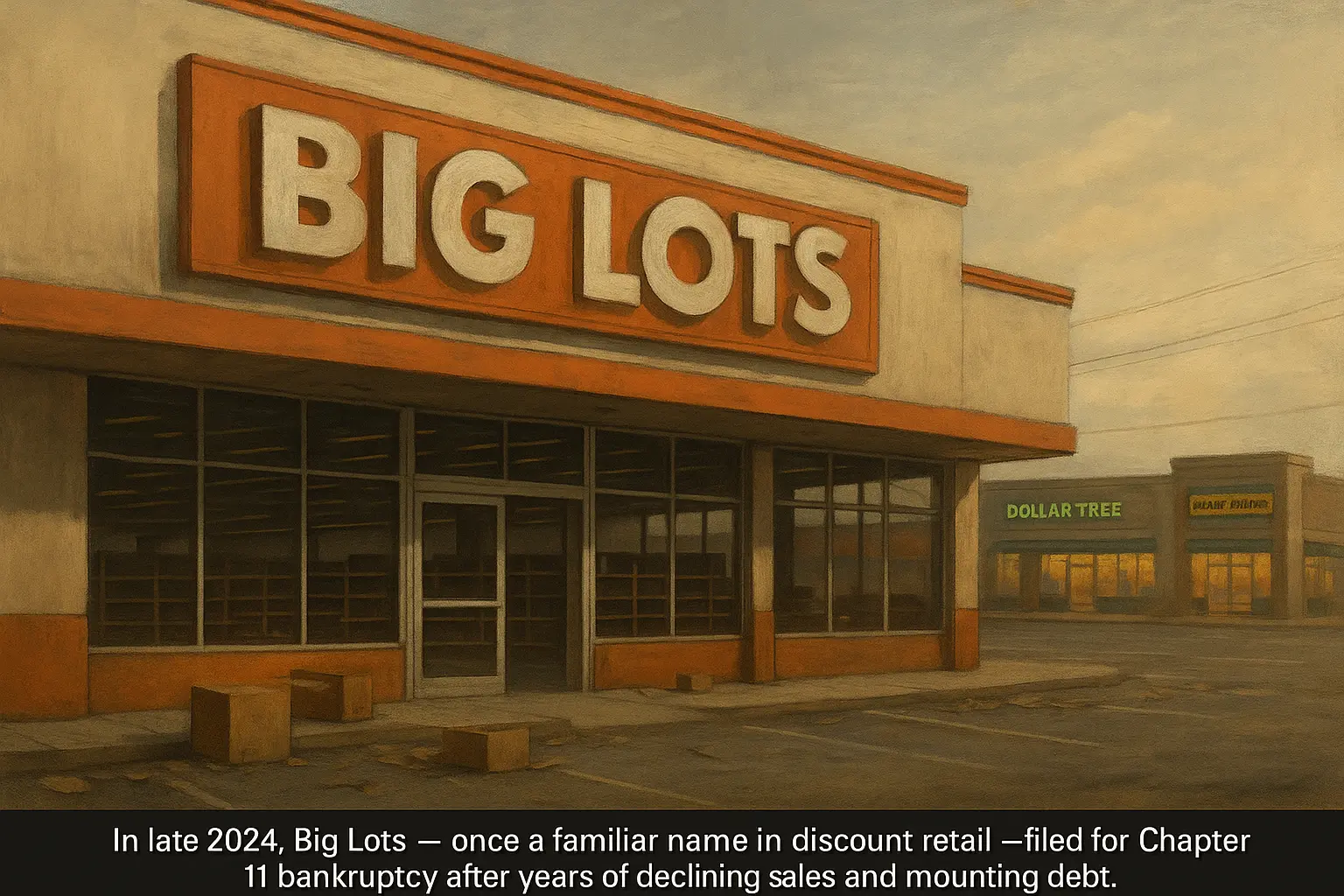 In late 2024, Big Lots — once a familiar name in discount retail — filed for Chapter 11 bankruptcy after years of declining sales and mounting debt. At its peak, the chain had over 1,400 stores nationwide. Today, only an estimated 200–400 stores are expected to remain open, following asset transfers and emergency deals to keep parts of the business alive. Hundreds of locations have already shuttered, leaving empty storefronts where once there were bustling bargain aisles.
Why does this matter to small business owners? Because Big Lots wasn’t an obscure player. It was a well-known brand, with decades of name recognition and a built-in customer base. If a company that large — with resources, suppliers, and loyal shoppers — can unravel, it signals valuable lessons about the vulnerabilities every business faces, whether you operate a nationwide chain or a single local storefront.
And here’s the kicker: during the very same period that Big Lots was reporting nine straight quarters of sales decline, competitors like Dollar General and Dollar Tree were growing. Dollar General leaned into its small-town presence and consistent value messaging, while Dollar Tree expanded into more markets with its simple $1.25 price point. Both chains thrived under the same inflationary pressures and consumer spending shifts that Big Lots pointed to as reasons for its struggles.
The difference? Strategy and execution. And that’s where the lessons for smaller businesses begin.
Brief History of Their Fall
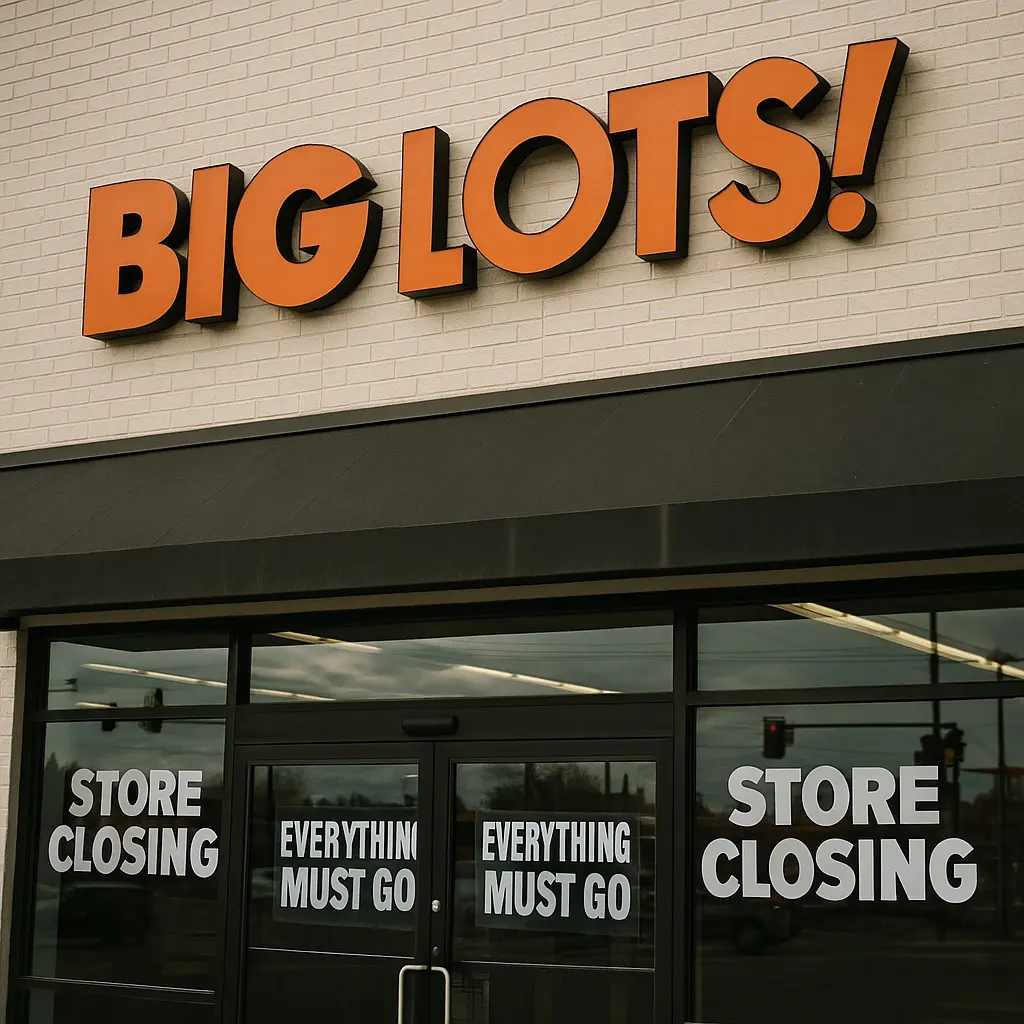 The decline of Big Lots didn’t happen overnight. For nearly a decade, the discount retailer struggled to define its place in the market. Originally built on the closeout model — buying up excess or liquidation inventory and selling it at bargain prices — Big Lots drifted away from that core identity. The company began stocking more national brands, aiming to compete head-to-head with larger retailers. Instead of attracting new customers, this move diluted its unique value proposition and left many long-time shoppers confused.
At the same time, Big Lots was carrying a heavy load of debt. Rising lease costs, interest expenses, and inflation chipped away at already thin margins. Add in nine straight quarters of declining same-store sales, and the pressure became too much to bear. In late 2024, the company entered Chapter 11 bankruptcy, closing hundreds of stores and scrambling to restructure what remained.
But here’s the critical insight: while Big Lots pointed the finger at inflation and consumer pullback, its competitors thrived in the exact same environment. Dollar Tree and Dollar General both grew sales and expanded their footprints. The truth wasn’t just about the economy — it was about strategy, clarity, and execution.
I’ve seen this same dynamic play out on a smaller scale. A few years back, I met with local coffee shop owners here in the Four Corners. They told me their struggles weren’t about marketing or customer experience — it was “the economy.” They were convinced that if things just “turned around,” their sales would recover. Meanwhile, another local chain, Durango Joe’s, was thriving. They were expanding into new locations, winning customers, and outperforming Starbucks in the local market. Same economy, same customer base — completely different results.
Big Lots fell into the same trap as those struggling coffee shops: blaming external conditions instead of looking inward at their model, systems, and execution. And that’s where the lessons for small businesses really begin.
Big Lots’ Business Model
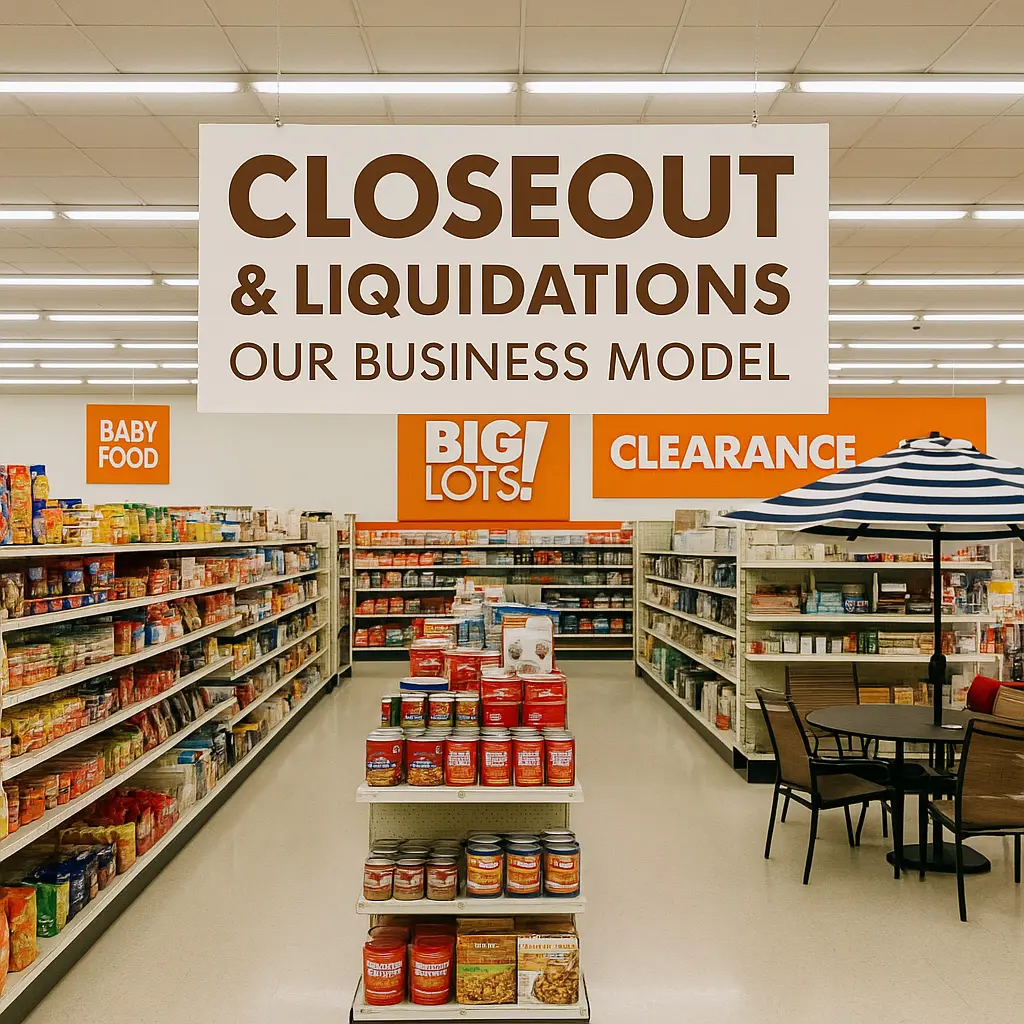 At its core, Big Lots was never supposed to be just another discount store. Its entire identity was built around the closeout model — buying excess inventory, liquidations, and discontinued products from manufacturers, then reselling them to customers at bargain prices. This gave shoppers a sense of discovery: you never knew what you might find, but you could trust it would be a deal. That uniqueness was their competitive edge.
Over time, however, Big Lots drifted away from that foundation. Instead of leaning into the “treasure hunt” experience, they started stocking more mainstream national brands, competing directly with Walmart, Target, and dollar stores. But they lacked the scale to win on price, the consistency to win on reliability, and the differentiation to win on experience. In trying to be everything to everyone, they diluted what made them special.
The company also made risky bets on categories like furniture and seasonal items, which were higher ticket but harder to move. These larger items tied up floor space and cash flow, leaving less room for the fast-moving, low-cost inventory that had once kept stores buzzing. As competitors doubled down on convenience and value — Dollar General blanketing rural areas with new stores and Dollar Tree riding the success of its $1 price point — Big Lots lost both identity and momentum.
This is where small businesses can learn the first big lesson: your model must be clear and consistent. If your customers know you for one thing — whether it’s handmade baked goods, custom furniture, or discount closeouts — you need to guard that identity fiercely. Shifting too far outside your lane in search of growth can erode trust and confuse the very customers who once loved you.
Big Lots didn’t fail just because of external pressures. It failed because it forgot who it was.
What Went Wrong & What Small Businesses Can Learn
Big Lots’ challenges highlight several warning signs that business owners can learn from. Each point offers a takeaway that applies not just to billion-dollar retailers, but also to local shops, service providers, and independent entrepreneurs.
1. Letting Negative Trends Persist Too Long
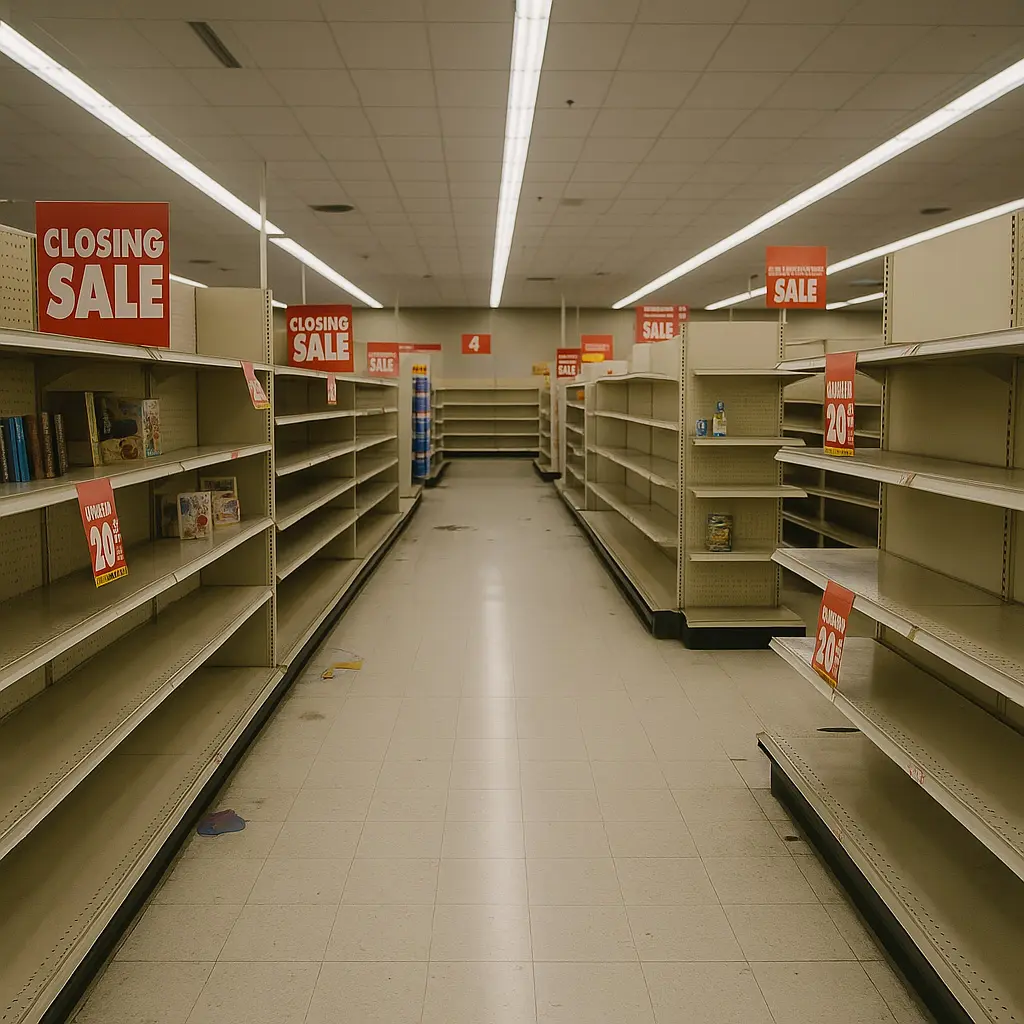 Big Lots’ misstep: The company faced nine consecutive quarters of declining sales, yet stayed on the same course until the situation was nearly irreversible.
What this means for you: If revenue or customer traffic is trending downward for more than two or three cycles, don’t assume it’s just the economy. Dig deeper. Ask: What changed? Is it marketing, pricing, inventory, or customer preferences?
Lesson: Monitor performance indicators regularly and act quickly when something feels off. A strong financial dashboard is your early warning system.
2. Losing Clarity in Business Identity
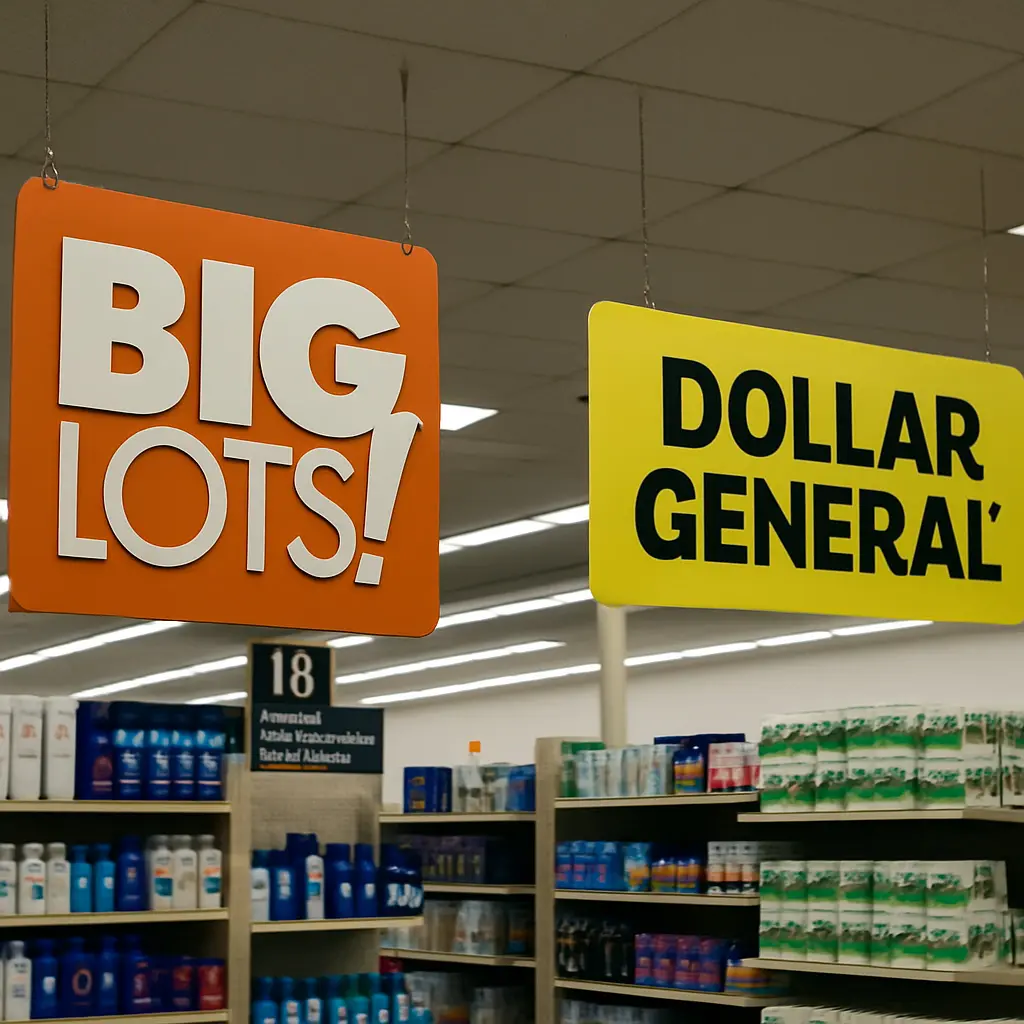 Big Lots’ misstep: The company blurred its original “treasure hunt” identity by stocking more mainstream, predictable merchandise. Customers no longer knew why they should choose Big Lots instead of Dollar General or Dollar Tree.
What this means for you: If customers can’t clearly describe why they shop with you — and why they should keep coming back — your identity isn’t strong enough.
Lesson: Define your niche. Be consistent in your branding, products, and customer experience. A business that tries to be everything to everyone usually ends up being memorable to no one.
3. Poor Operational Systems & Processes
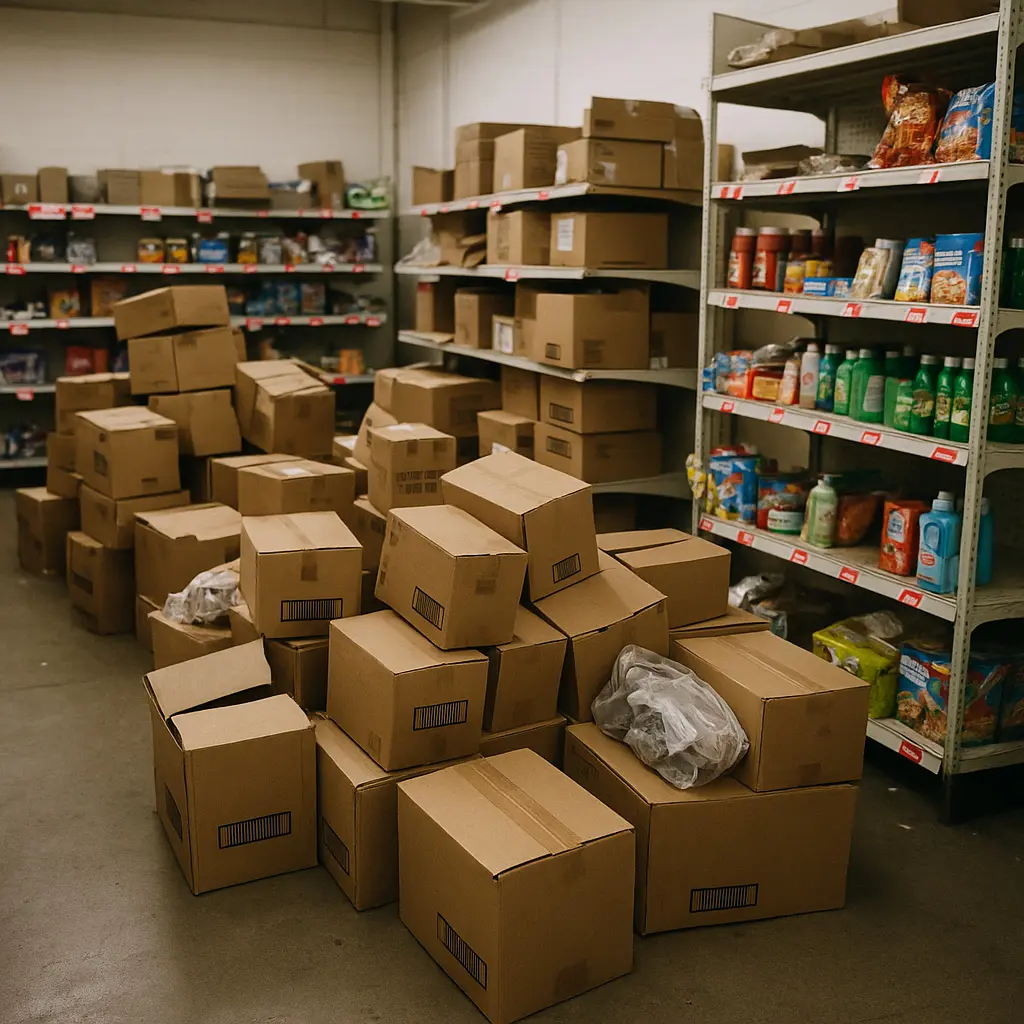 Big Lots’ misstep: Disorganized stockrooms, inconsistent replenishment, and poor process discipline eroded the customer experience.
Illustrative example: At Walmart, stock systems and processes ensured efficiency; every item had a place. At Big Lots, inventory was literally piled on the floor, making stocking a daily scramble.
What this means for you: Disorganized operations cost money, time, and reputation. If your employees spend more time hunting for items than serving customers, you’re bleeding profits.
Lesson: Even small businesses need simple, repeatable systems. Organized back rooms, checklists, and standard operating procedures can make the difference between chaos and control.
4. Over-Exposure to Fixed Costs & Debt
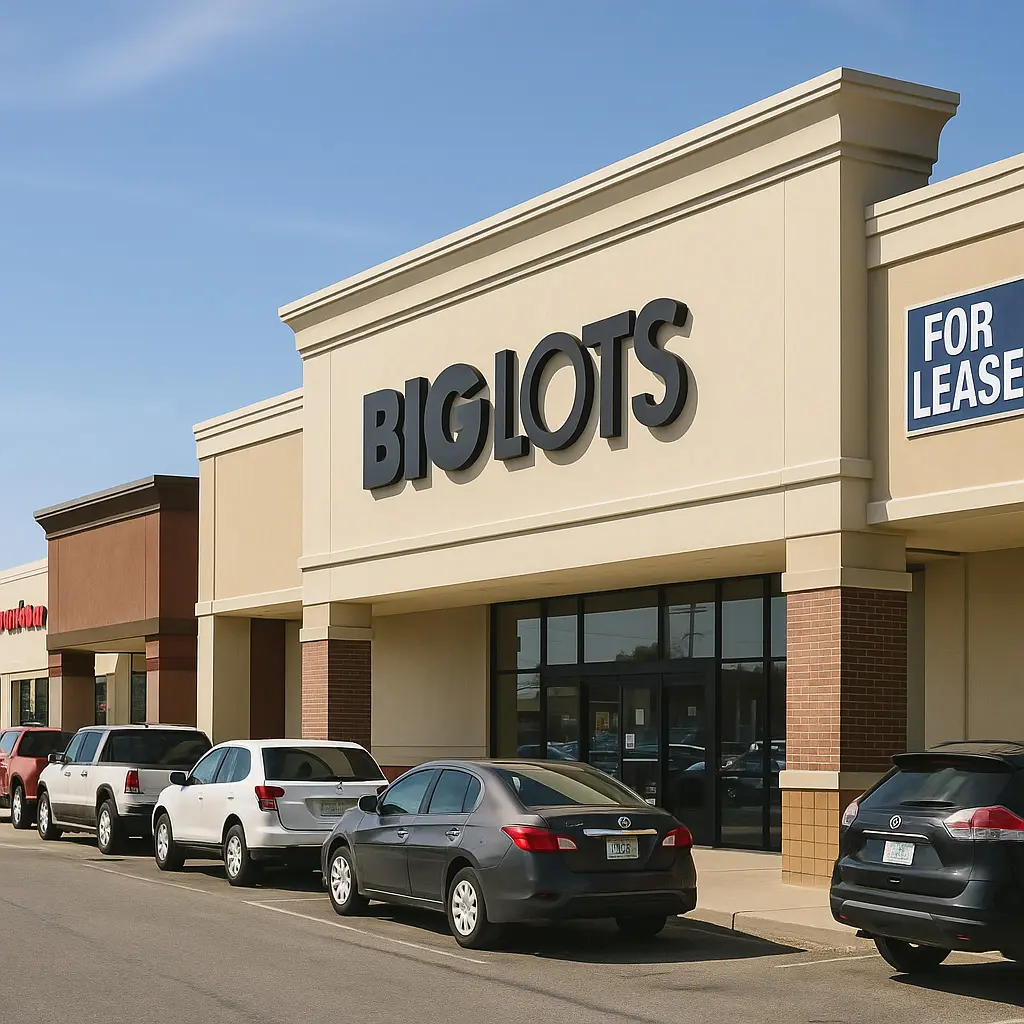 Big Lots’ misstep: The company became burdened by high leases, too many underperforming locations, and growing debt — leaving little flexibility when sales slowed.
What this means for you: Committing to expenses that assume “best-case scenario” revenue is risky. If business dips, you could be stuck paying bills you can’t sustain.
Lesson: Keep fixed costs proportionate to your sales. Build cash reserves. Stress-test your budget under bad scenarios, not just good ones.
5. Failing to Adapt to Changing Customers
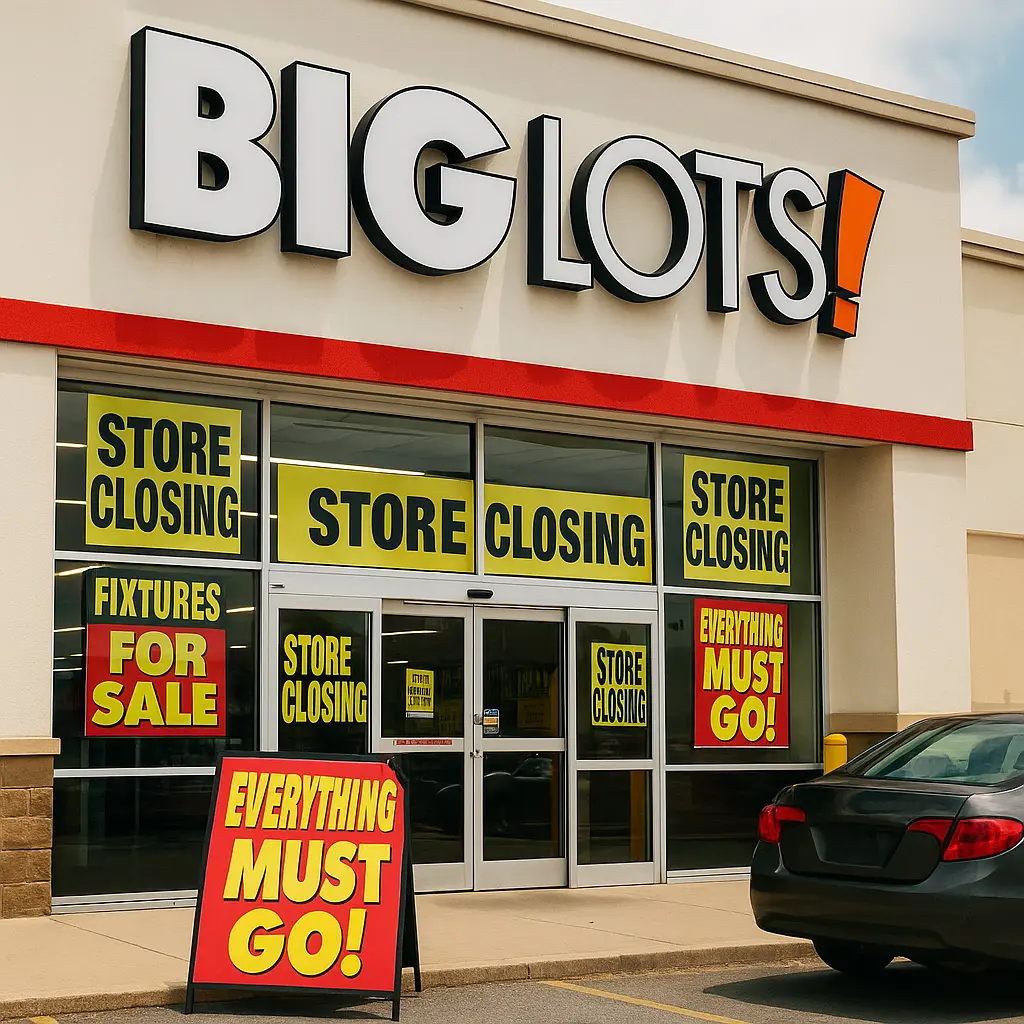 Big Lots’ misstep: While competitors embraced e-commerce and convenience, Big Lots lagged. Its “bargain” identity wasn’t supported by digital presence or modern shopping experiences.
What this means for you: Customer behavior changes faster than most businesses realize. Waiting too long to adapt can cost you relevance.
Lesson: Stay close to your customers. Ask for feedback, experiment with small changes, and adopt digital tools that make buying easier — even modest steps like email marketing, loyalty programs, or online ordering can keep you ahead.
Bringing It Home
The fall of Big Lots wasn’t caused by one single failure. It was the slow accumulation of ignored warning signs: lack of clarity, weak systems, unbalanced costs, and missed opportunities to adapt. Small businesses can avoid the same fate by staying vigilant, disciplined, and proactive.
Turning Lessons into Action
 The fall of Big Lots shows how easy it is to drift into decline when identity blurs, processes weaken, and decisions get delayed. But as a small business owner, you have an advantage Big Lots lost: agility. You can course-correct quickly, strengthen your systems, and build clarity around what makes your business thrive.
If you’re unsure where to start, tools like the 12 Keys to a Profitable Business can give you a roadmap. From marketing and operations to financial discipline and customer retention, the framework helps you identify blind spots and turn them into strengths.
Sometimes, though, it’s not about more ideas — it’s about focused guidance. Partnering with a consultant who can walk you through your numbers, sharpen your strategy, and help you implement proven systems can accelerate your results.
Takeaway for small business owners: Don’t wait until your business drifts into decline to ask hard questions. Whether you use a structured framework or bring in outside support, the key is to act now, while you still have the flexibility and control to turn things around.
Want to apply these lessons to your own business?
Schedule a free consultation with Ken Collins at Strategic Horizons Consulting and get personalized guidance to strengthen your strategy, systems, and profitability.